Commercial Kitchen Trailer Rental for Event Venue Kitchens
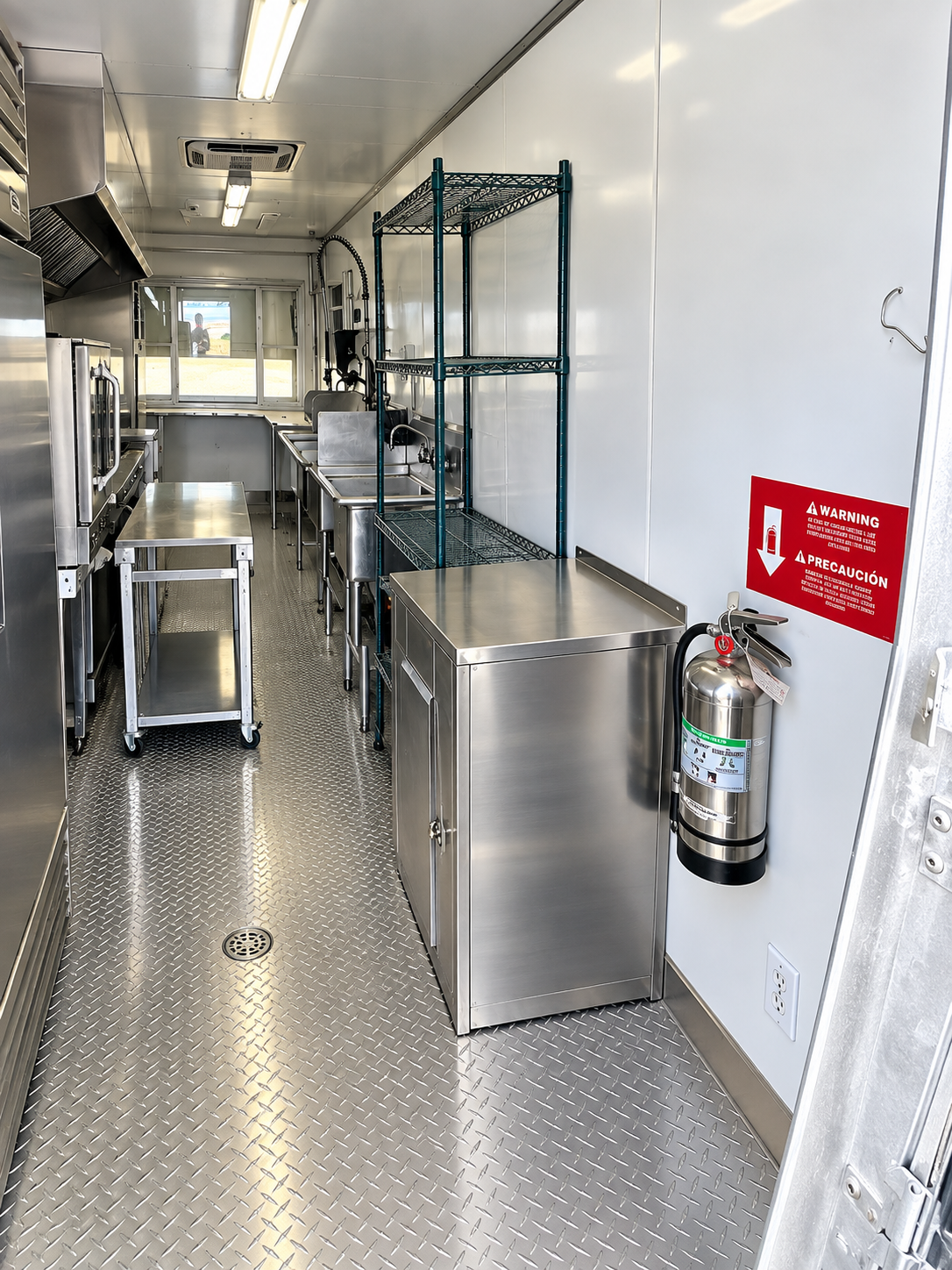
An event venue may need a temporary cooking line while its kitchen is renovated or repaired, but booked events create very different peaks from ordinary weekdays. A commercial kitchen trailer rental plan should begin with menus, guest counts, service times, and the distance to banquet spaces. Then review the proposed equipment, hood ventilation, prep and holding flow, trailer location, utilities, staff routes, approvals, and the event calendar before making service promises.
Which booked events set the highest simultaneous cooking and plating demand?
Use the answer to define a temporary cooking workflow before choosing trailer equipment or promising a service schedule.
What to work through before choosing a trailer.
These steps are specific to event venues. They help make a rental request useful while leaving exact equipment, delivery, approvals, and cost for a site review.
Read the calendar and menus together
Create a list of confirmed events, guest counts, menu courses, service times, and whether multiple rooms operate at once. Identify dishes that can be prepared ahead and those that require last-minute cooking. This reveals the real peak the temporary kitchen concept must address.
Plan the banquet handoff
Sketch the route for ingredients, cooks, plated meals, service carts, and dish return. Keep guest arrivals and emergency routes clear. If the trailer would be distant from the banquet rooms, food holding and staff timing become central questions for the venue's catering team.
Confirm what the rental includes
A proposed trailer does not automatically include banquet service equipment, staffing, refrigeration, or warewashing. List each function separately and ask what is supplied, what the venue already owns, and what needs another arrangement. Check site approvals and the window for installation and removal.
New Hampshire event venue example
For an illustrative New Hampshire venue, a manager might keep scheduled weddings while rebuilding the main cookline. A useful inquiry would include the booked dates, largest guest count, menu production schedule, trailer pad, route to the banquet rooms, and utility map. The example does not imply a completed New Hampshire rental or that any particular event can be served from a specific unit.
This example is hypothetical. It is not a claim of a completed project, local inventory, delivery timing, or approval in New Hampshire.Details to bring to the first conversation.
The actual address and operating dates are essential. This list helps the team review whether a rental configuration and site plan are possible.
- Confirmed events and guest counts
- Menus and simultaneous service peaks
- Banquet room and trailer route
- Equipment supplied versus venue-owned
- Setup window, utilities, and approvals