Commercial Kitchen Trailer Rental for Municipal Kitchen Outages
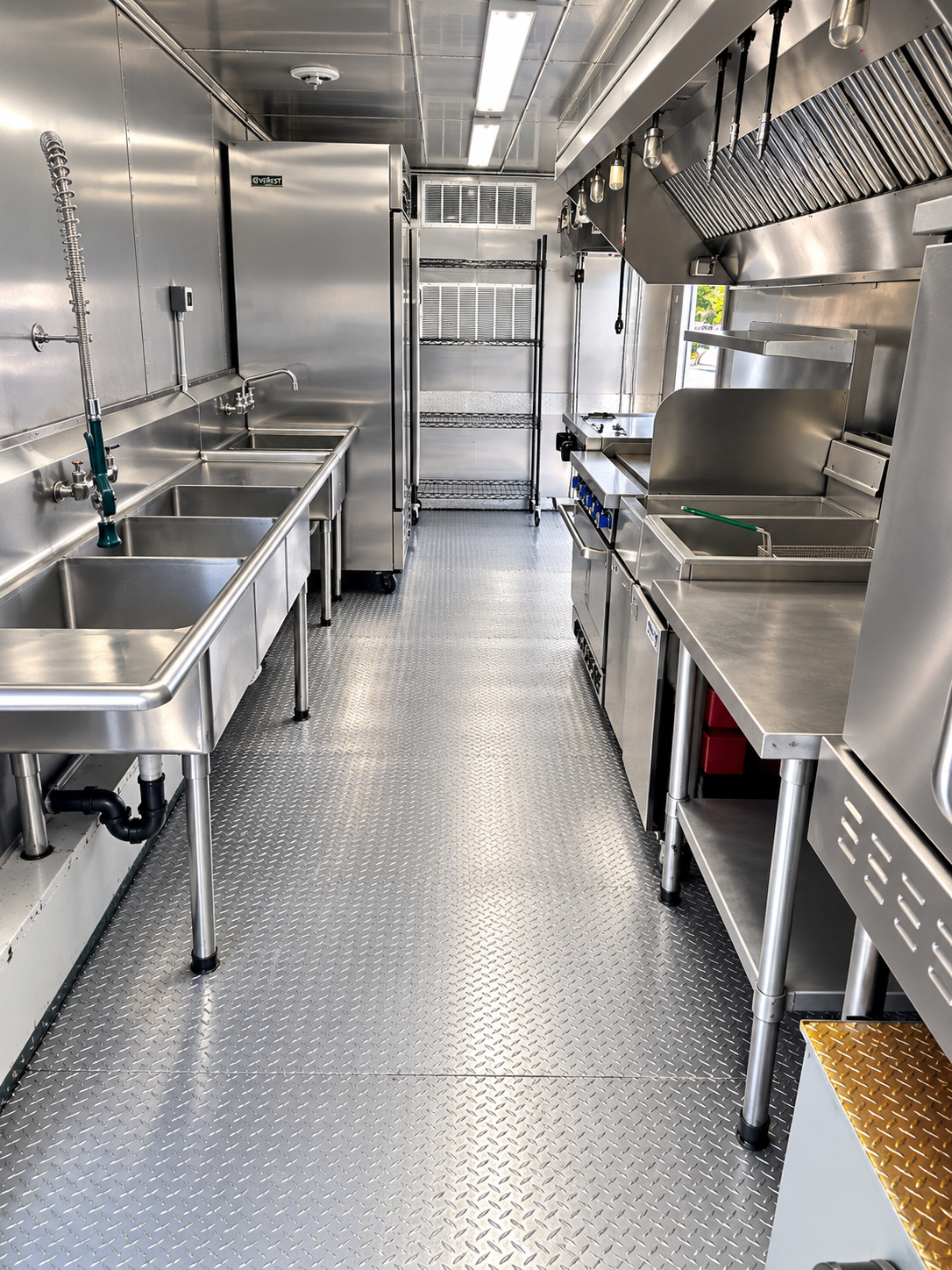
A fire, water problem, or equipment failure can take a municipal food-service kitchen offline before a permanent repair plan is ready. A commercial kitchen trailer rental may be one continuity option, but availability, transport, setup, and operating approvals must be verified for the specific site. Start with the people who need meals, the food-service tasks that cannot pause, and any safe alternative already in place; then review equipment, hood ventilation, utilities, access, and dates.
What meal service must continue today, and what can move to a temporary line later?
Use the answer to define a temporary cooking workflow before choosing trailer equipment or promising a service schedule.
What to work through before choosing a trailer.
These steps are specific to municipal facilities. They help make a rental request useful while leaving exact equipment, delivery, approvals, and cost for a site review.
Separate immediate response from a rental plan
Document the cause and expected length of the outage, current safe food-service arrangement, affected meal periods, and decision-maker. A trailer inquiry is a planning step, not a promise of immediate dispatch. The municipality should maintain its own approved interim food plan while equipment and site options are reviewed.
Check the damaged site
Do not assume the existing power, water, drainage, or access remains usable after an incident. Identify a safe candidate area and ask facilities staff to document known utility limits. Local officials and site owners determine what can be installed and operated at the address.
Build a short decision record
Name the requested start and end dates, meals to be produced, available staff, approval contacts, and an alternate plan if the original kitchen returns sooner or later than expected. This helps compare a rental concept with other continuity options without inventing a delivery commitment.
Delaware municipal kitchen example
In an illustrative Delaware municipal facility outage, a manager could evaluate a temporary cooking line after a water-system failure. The request would include the affected meals, safe interim plan, site photos, verified utility condition, candidate pad, and approval contacts. The Delaware setting illustrates the questions to ask; it is not a record of an actual outage response or a guarantee of emergency availability.
This example is hypothetical. It is not a claim of a completed project, local inventory, delivery timing, or approval in Delaware.Details to bring to the first conversation.
The actual address and operating dates are essential. This list helps the team review whether a rental configuration and site plan are possible.
- Affected meal periods and interim food plan
- Damage and utility assessment
- Safe trailer placement option
- Decision and approval contacts
- Requested dates and fallback arrangement